
‘Don’t leave Britain defenceless’ rants the front page of the Daily Mail. You wouldn’t think that this comes after another huge hike in spending on ‘defence’, one which will leave Keir Starmer’s successor, Andy Burnham with a £5billion black hole in his next budget. Starmer’s fatal weakness as a prime minister has boosted the calls from the military, some of his MPs, the right wing and the arms industry for ever more money to go to war planning, with no questions asked.
Where will the money come from? Starmer has already said that he will cut road and energy projects, to the fury of local MPs. But we can be sure it will go much further than that. While he has said that the NHS and education will not be affected, the 1% cut in capital spending in all other departments will apply to schools and hospitals. Then there are equally vital areas such as housing which needs a massive injection of public investment, or the dreaded ‘welfare’ which will mean making some of the poorest and most vulnerable even poorer.
You would not think from the endless demands for more money that the UK is one of the biggest arms and military spenders in the world. It is ranked either 5th or 6th on a world scale, behind the US, China, Russia, Germany, and on some calculations India. It spends a total of 3% of all global military spending.
This spending accounts for 2.4% of the whole measure of national wealth (GDP), rising under the new Defence Investment Plan to 2.7% by 2029, and then to 3% and possibly 3.5% as Nato is demanding by 2035. Although this is heralded as dealing with the supposed ‘Russian threat’, the lion’s share of the money will go to renewing the Trident submarine system, building new nuclear-powered submarines as part of the AUKUS pact with Australia, and developing a new fighter jet with Italy and Japan. In other words, preparing for a long-term military project against China.
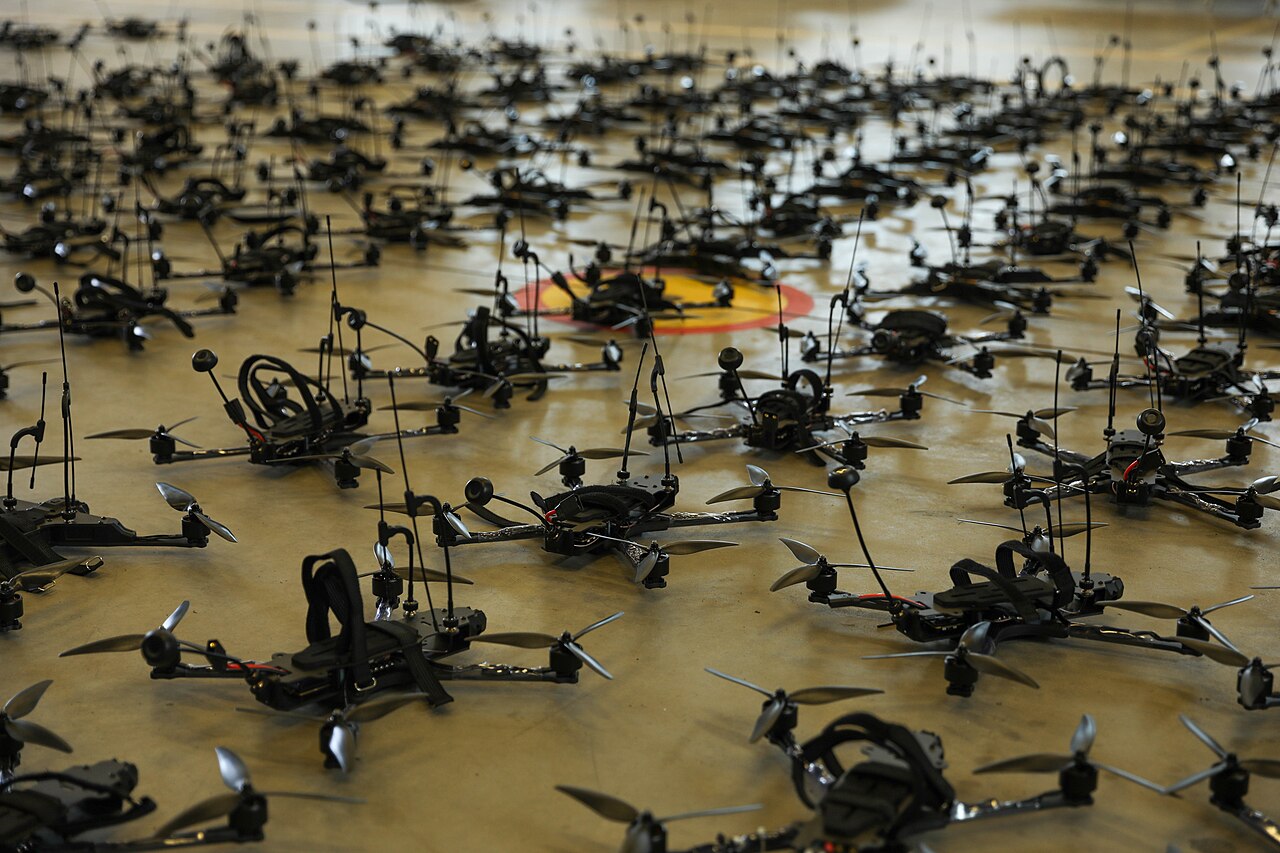
A total of £5 billion is dedicated to drone production, reflecting the current nature of warfare in the Ukraine-Russia war and that between Iran and the US. This is in addition to – not seen as an alternative to – existing spending. Nor is there ever any mention of the gross inefficiency of the Ministry of Defence, whose projects regularly spiral far beyond estimated costs.
Most importantly however is the question of why this spending is needed, and why it is so heavily promoted by the right wing press and politicians, not to mention the military and ex-military themselves? The wars of this century have been failures: Afghanistan, Iraq, Libya, have all been used to justify spending increases, but all ended in costly and bloody failure. It is clear from Iran that even the most high-tech expensive equipment has limited success against drones and missiles.
The continued war in the Middle East and the genocide of the people of Gaza – again using some of the most sophisticated technologies of death – has only made the region even more dangerous and unstable. The war between Russia and Ukraine is an effective proxy war between Nato and Russia, which has turned into a very long war prolonged by precisely the people who now want to spend more on arms.
Russia is not a serious threat to Britain, and is bogged down in Ukraine, not planning future invasions elsewhere. In the meantime, security for people in Britain and Europe is threatened by bigger enemies, especially climate change which is now taking a real toll on societies to the detriment of their health, wellbeing, food security and much else. Extremes of poverty and wealth are damaging the lives of millions.
It will be a cold day in hell before the Daily Mail demands unlimited money to deal with any of these problems. But we should be arguing for different priorities: an end to wars and conflict, and resources going to dealing with the problems that can lead to wars, not fuelling an arms race which makes them much more likely.
That’s why Stop the War has been calling for welfare not warfare, wages not weapons. This is now a key debate within the working-class movement and within British society as a whole. We can be sure that if the warmongers win, not only will the world be a more dangerous place, it will come at a further cost to our living standards.