The Labour government is facing a classic dilemma: guns or butter? And it looks like it will choose guns just as public opinion is increasingly hostile to that option.
Starmer’s defence secretary, John Healey, and his armed forces minister, Al Carns, have both resigned, signalling that Kier Starmer’s already embattled prime ministership is under sustained attack from the military establishment.
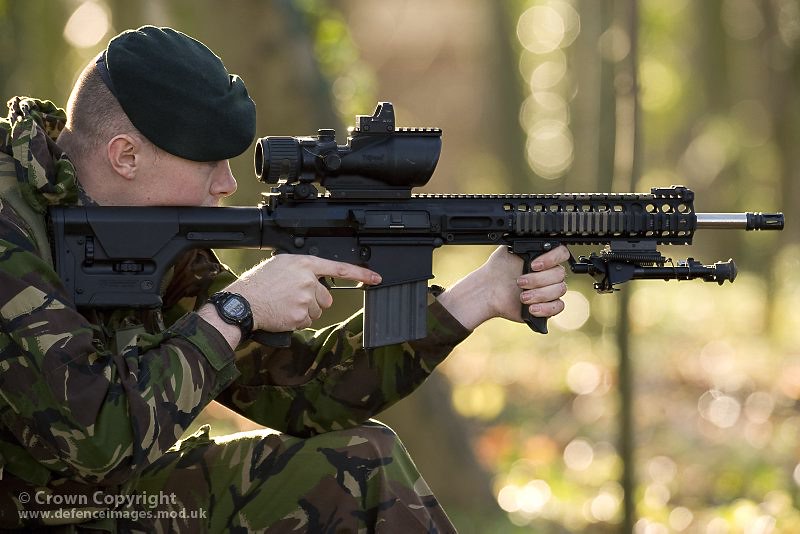
What the entire military-industrial complex wants is higher arms expenditure paid for with cuts to the welfare bill.
Yet the public mood is turning against rearmament, according to a new poll from Ipsos.
The percentage of Britons who agree that government spending on the Armed Forces should be increased, even if this means higher taxes or less money to spend on other public services, has fallen 11 points since March, when it stood at 48 percent to a minority of only 37 percent.
On the other hand 50 percent oppose increases in arms spending if it means increased taxes and 45 percent oppose arms increases if it means a decrease in spending on public services. Some 15 percent oppose arms budget increases under any circumstances.
But Healey’s departure, announced in a letter which castigated both Starmer and Chancellor Rachel Reeves for not ramping up arms spending high enough, has been a rallying call for arms spending advocates.
Healey himself has always been a NATO fanatic deeply in tune with the military establishment.
The Makerfield by-election next week could mark the beginning of Andy Burnham’s leadership bid, if he is returned to Westminster. Healey has himself previously said he would like to lead Labour. But he’s unlikely to be the victor in a leadership contest.
So what the attack on Starmer is really meant to do is to ensure that whoever wins the leadership race, they will be obliged to rack up arms spending.
The chorus of retired Generals, security experts, and leader writers for the Telegraph, Daily Mail, and the Sun are already braying for welfare cuts to pay for more tanks and guns. In particular they have the triple lock on pensions in their sights.
All this is of a piece with the European rearmament programme that is now well advanced and championed by Mark Rutte head of NATO whose goal is to spend 5 percent of GDP on weapons within a decade. That would be a return to peak Cold War levels of arms expenditure.
So what will be the effect of a clash between a UK and European political establishment ever more deeply committed to rearming, indeed even, in the words of one top military officer, fighting a war with Russia by the end of the decade, and a public that remain unconvinced?
The consequences of the establishment parties bucking public opinion to enforce war driven austerity will be to increase the alienation of voters from the political process and raise the danger of far right nationalists filling the political vacuum.
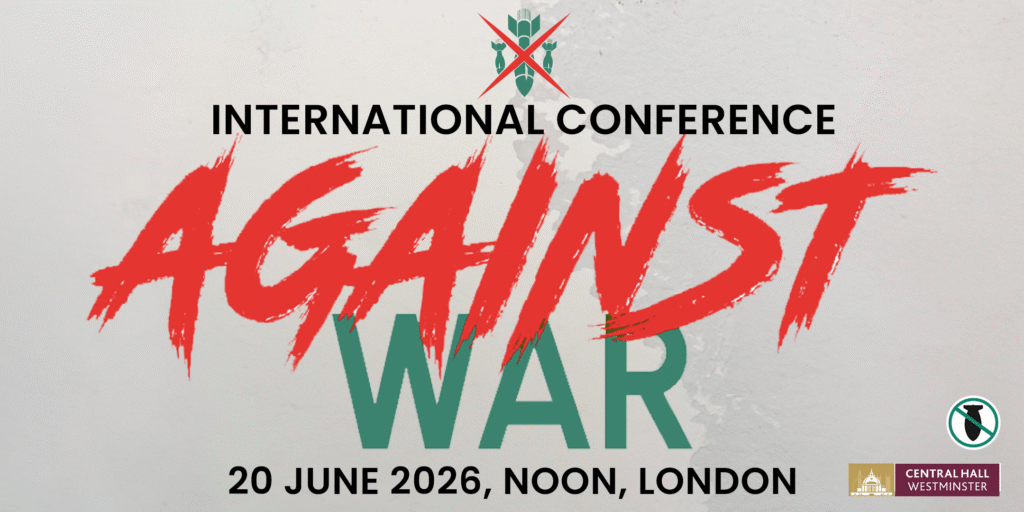
But there is also a response from the left. Last October saw a huge international anti-war conference in Paris. And a second conference is due in London next week when thousands of anti war activists from across Europe are due to meet in central London to draw up plans to oppose war and austerity, where they will be addressed by union leaders and MPs from France, Germany, Italy, Belgium, Spain, and the UK.
Get your ticket to the International Conference Against War here