
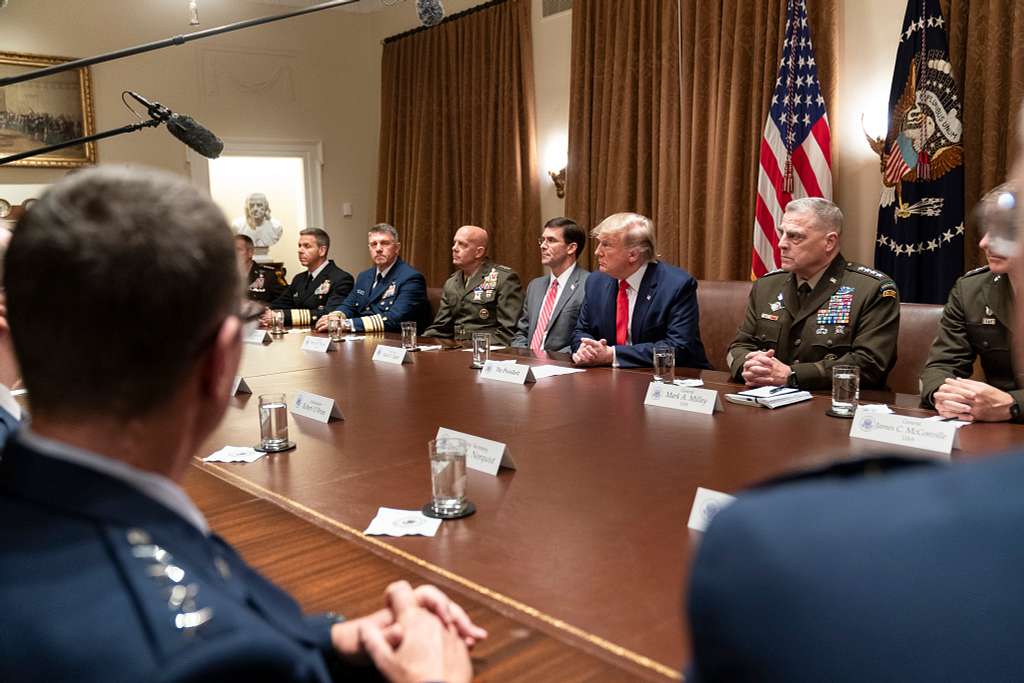
In the past week, Donald Trump has bombed Venezuela, kidnapped its president and brought him to prison in New York, seized millions of barrels of Venezuelan oil, intercepted a Russian-flagged oil tanker between Iceland and Scotland, told Cuba it will get no oil from Venezuela – on which it relies, said he will take over Greenland whether its people like it or not – ‘the nice way or the hard way’, and is seriously considering options for bombing Iran – allegedly to protect demonstrators protesting at their own government.
This is a US president acting in flagrant defiance of international law – not something that has bothered previous US presidents too much, given interventions from Vietnam to Grenada to Iraq – but he is also creating fear and anxiety among his allies in western Europe. They have for the most part stayed quiet on Venezuela. While they issued a weak statement saying that Greenland’s future is for the country and Denmark to decide, they will do nothing in the face of any kind of annexation or invasion which Trump seems set on.
His actions have clearly signalled the development of a new phase for US imperialism: a determination to secure the ‘western hemisphere’ for US interests in the most brutal way, and to keep out its rivals, notably China, who have interests and investments in Latin America, if necessary, by military force. It underlines the extent to which the world has become multipolar, with China’s economic and military strength increasingly seen as a threat to the US. The neoliberal ‘international rules-based order’ was always a fiction, as we have seen with open and covert interventions by the US and its allies since the end of the Cold War, and the imposition of punitive sanctions on those deemed enemies such as Russia, Venezuela, Cuba and Iran.
However, it maintained some level of stability among the great powers. Now the picture is very different: conflict over the northern sea route in Greenland; the fourth year of the disastrous Ukraine war; the genocide in Gaza and the implications for the Middle East; conflicts in large parts of Africa, including Sudan, Democratic Republic of Congo, and Nigeria; growing militarisation of the Pacific as conflict with China grows; huge increases in arms spending across the world as Europe justifies this through the conflict with Russia over Ukraine and Japan and Australia do the same re China.
Nato has remained particularly quiet over Trump’s threats to Greenland, no doubt because any overt conflict would effectively mean the end of the military alliance, already under strain as he demands ever higher levels of arms spending from the European powers, and where he has already said that it cannot or will not defend the US.
Wars abroad have huge implications for domestic politics. We saw in the most hideous way how Trump’s wars are not just aimed at the poor and oppressed in other countries but at his own population. The raids by ICE on migrants across US cities have been met with large-scale opposition and protest. Last week a 37-year-old woman activist, Renee Nicole Good, was shot in the face at point blank range by an ICE officer, as she attempted to drive her car away. Her death has provoked outrage with demonstrations across the country. The extent of division in the US is stark in the response to her death: Trump, his vice president JD Vance and right-wingers generally have defended the shooting, despite the obvious evidence that the agent was not in danger from Good at all. The FBI have taken over investigations of the killing, leading to complaints from local mayors and other officials, in an attempt to deny any democratic control to the local people who oppose the ICE raids.
These same right-wingers’ support of intervention in Iran to protect the right to demonstrate might provoke a hollow laugh both from the many Iranians who understand that Trump is not their friend, whatever they think of their own government, and from those of us here who face ever greater repression from the police and government over our right to protest. The foreign secretary Yvette Cooper sent a similar message, that the Iranian government should allow peaceful protest. So it should, but none of us should take lessons from a woman who proscribed the direct-action group Palestine Action as terrorist, and from a Starmer government which allows three remand prisoners on hunger strike to risk death rather than grant them bail.
The truth is the same people who support the wars abroad also support this repression at home, the demonisation of refugees and migrants, the criminalisation of protest, and the impoverishment of working-class people to the benefit of the very rich. These policies are both fuelling and being driven by far-right politics, and the mainstream centre or social democratic parties alike are echoing the same ideas.
My conclusions from the first two weeks of the new year are that we need to build mass movements internationally against war and imperialism, and link these issues with the fight against austerity at home – Welfare not Warfare. If we don’t do that with a degree of urgency, we are in trouble.
Source: Counterfire