
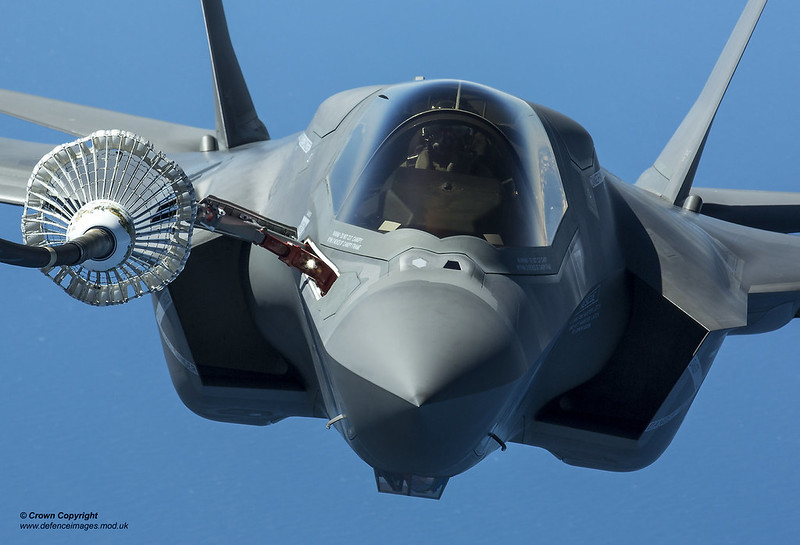
MoD/Crown copyright 2016, Creator: Defence Imagery
Speaking to members of my union, this country’s biggest, you can’t not come away in awe: of the dedication to public service, the commitment to caring for our communities and the determination to keep going in incredibly tough circumstances. But there’s a flip side. You also always get a vivid sense of our country’s torn social fabric, the terrible state of the services that people rely on.
‘I’m not living, I’m surviving. Every month I have more outgoings than income when it comes to my salary’, said one of our 400,000 members in the NHS. Another told us they are taking strong doses of anti-depressants and cannot sleep because of work-induced stress and fatigue. Here’s a nurse: ‘I have high levels of anxiety and constantly fear making mistakes due to workload and staffing issues. My immune system is poor. . . . but I fear taking any time off due to financial issues.’ Our surveys and conversations with members show that these are typical experiences, not outliers.
It’s not much different in any part of UNISON’s massive public service membership. School support staff love their work but tell us their pay doesn’t cover the rent and that they’ve taken on second jobs in mid-life just to stay afloat. We know from our research that most are only paid in term time and almost half take home less than £1,400 a month. And then there’s my old profession, social work, where you see the full range of miseries inflicted by austerity and economic decline. Unaffordable housing, fragmented communities, and a surreal, cruel welfare system all combine to make life harder both for social workers and for those we’re trying to help.
That’s what life is like for ordinary working-class folk today. That’s the state of our society, and I think it should count as an emergency: a massive threat to the future of our country, which must be the first priority of any government to fix. It should be dominating the headlines. Yet it rarely does.
Meanwhile, demands for more spending on foreign wars and the weapons to fight them are given exactly this kind of treatment. When was the last time we had a nurse or hospital porter handed a primetime slot on the BBC to tell the government that the country faces ruin if they don’t find tens and tens of billions in new investment? In Britain today, that privilege is reserved for top military officials and the politicians who support them.
We already have the sixth highest military spend in the world, with the Ministry of Defence given the biggest capital budget of any department. But you wouldn’t know it from the media. Top military brass — past and present — have been especially relentless in the weeks running up to Andy Burnham taking office. They are trying to pressure the new prime minister into taking on their agenda wholesale, which means cutting everything else to give more to the MoD.
On their broadcast rounds, the military bosses aren’t exactly subtle. We’ve had the former head of the Royal Navy implying free breakfasts for school kids should be scrapped, remarking that ‘things like welfare. . . . are unimportant when you lose a war’. The current UK chief of defence declared earlier this year that ‘Rearmament is not warmongering’. Maybe not inherently. But constantly inflating the threat of war on British soil, and suggesting we must arm to the teeth in anticipation, is absolutely that. It makes war more likely in the name of preventing it.
The ‘defence’ establishment clearly cannot take yes for an answer. Keir Starmer bowed to their demands — which really just tail the demands of Donald Trump — and took their word as gospel. MoD officials never have to shake the tin, no matter how much cash they waste or how many projects they mothball. In February 2025, Labour committed to increasing defence spending to 2.5 percent of GDP by 2027. By April 2026, Starmer had signed on to the NATO target of 3.5 percent by 2035. But it still wasn’t enough: Defence Secretary John Healey resigned in protest, parroting the demands of the military and the Americans. The outgoing PM used his final weeks in office to lock in almost £7bn worth of cuts to crucial government departments to fund his so-called Defence Investment Plan.
In government, Labour has decided to impose a zero-sum fiscal framework on itself. Anyone who suggests breaking with this is effectively blackmailed by the bondholders. That means all the extra billions the Generals take are billions that will not go to our hospitals, schools, local councils, transport, housing: you name it. Rather than getting patients out of corridors and into beds, reopening community centres, funding a dignified social care system or putting money in the pockets of struggling workers, the military will be handed more blank cheques to buy more weapons made in America.
It would be one thing if this debate were actually about defending the country and making its people more secure. But it isn’t. It’s all about serving the destructive foreign policy objectives of the United States. It’s about maintaining a global British military presence — in far-flung places like the middle of the Indian Ocean — that does less than nothing to offer us protection.
Anyone who doubts this should take a moment to reflect on what the military actually spends its money on, from the disasters in Afghanistan, Iraq and Libya to the recent use of UK bases to attack Iran. Not to mention the bombing of Yemen and the assistance given to Israel in its genocide in Gaza. The only outcome has been to subject tens of millions of people around the world to extreme violence and destruction. At the same time, life has gotten harder and harder for our communities here at home.
So I hope the new Prime Minister has the strength to resist the siren calls to defund the British people in order to bankroll more overseas bases and more American wars. We need investment in our people, our services, our socially useful industries. We need to improve lives here, not destroy them abroad. We need to rebuild our country, not collapse other ones. That’s the trade union movement’s agenda, and it’s one we expect Labour to follow.
Source: Tribune